The Inaugural
Cohort 1
A two-week MedTech research hackathon structured around clinically sourced problem statements and interdisciplinary research teams.
VENUE: BHARATI VIDYAPEETH MEDICAL COLLEGE, PUNE
Philosophy
We didn't write the problem statements.
We collected them from the field.
Timeline
Research Abstract Submissions
Open call for medical students across India to submit research abstracts detailing real, unresolved clinical and research bottlenecks. The submission window generated 250+ problem statements from institutions nationwide.
Jury Shortlist Release
An expert jury reviewed all submitted abstracts and shortlisted the Top 5 problem statements based on clinical significance, research depth, and technical tractability.
Cohort 1 Begins — Round 1 Opens
Teams registered and began working on their assigned problem statements. Round 1 ran from 21 to 27 March 2026, with teams developing initial research frameworks and solution architectures.
Round 2 — Finalist Development Phase
Shortlisted teams advanced to Round 2. Daily mentorship sessions were conducted by researchers from the Koita Centre for Digital Health, IIT Bombay.
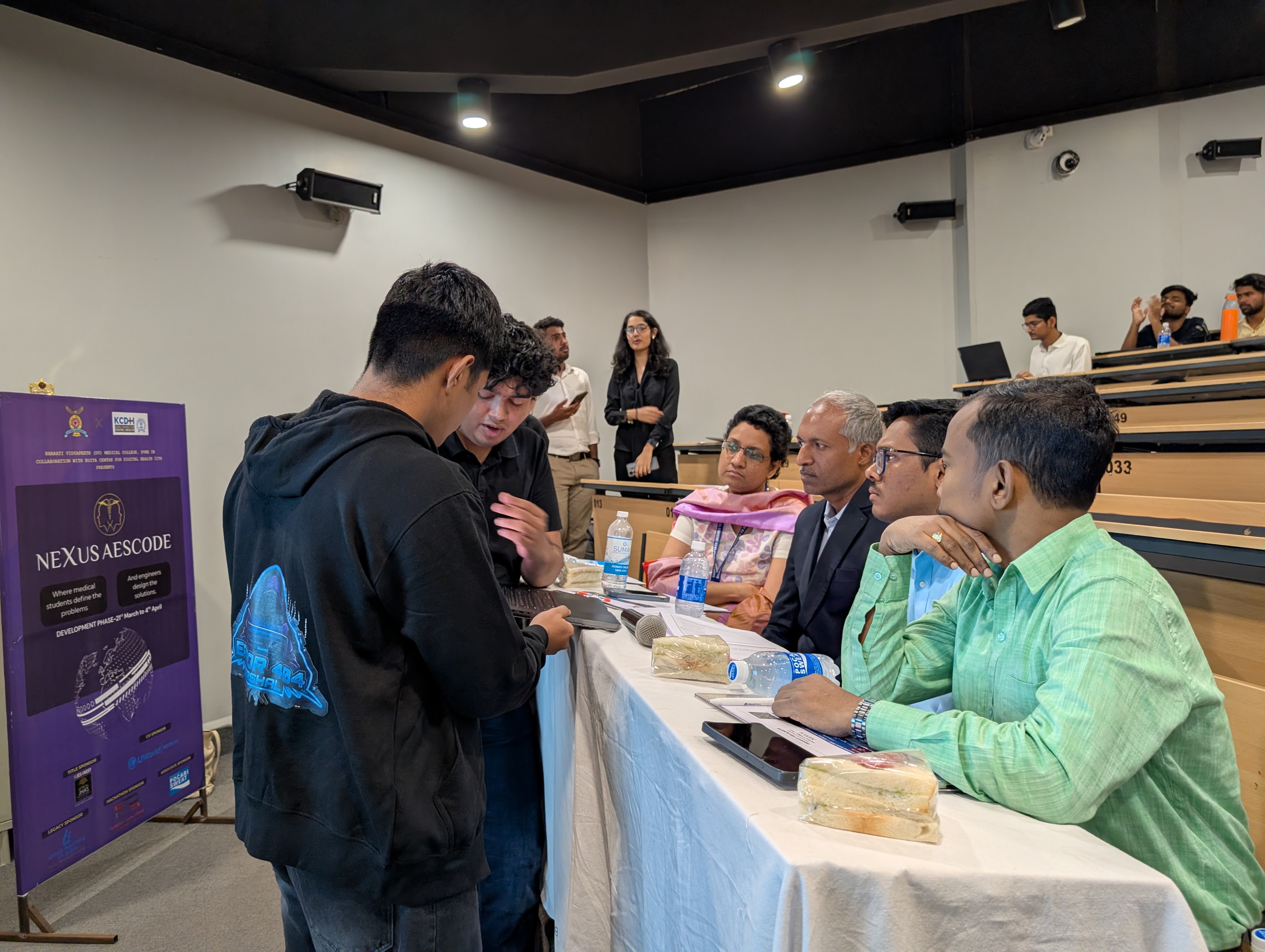
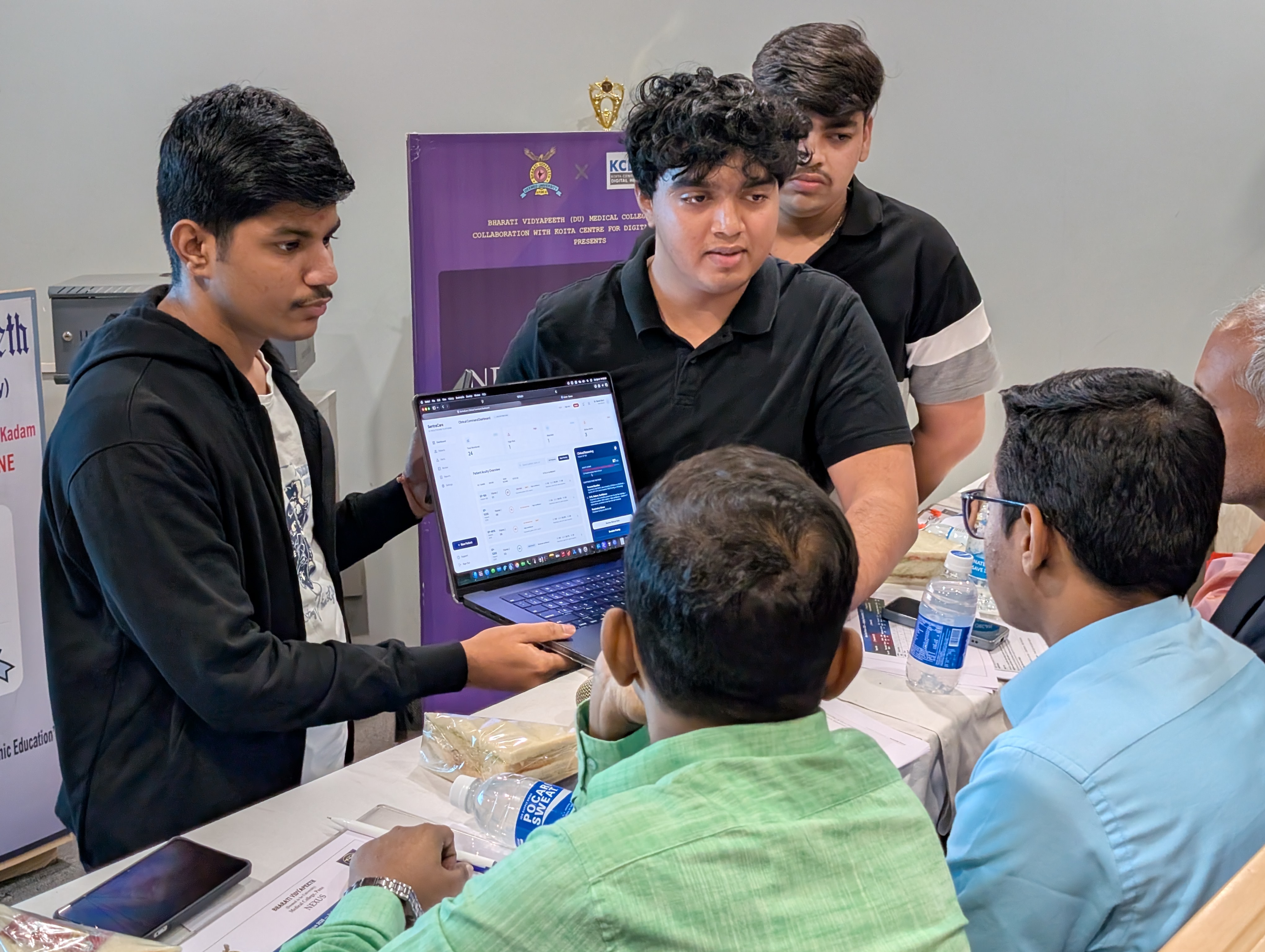
Final Day — Hybrid Presentations
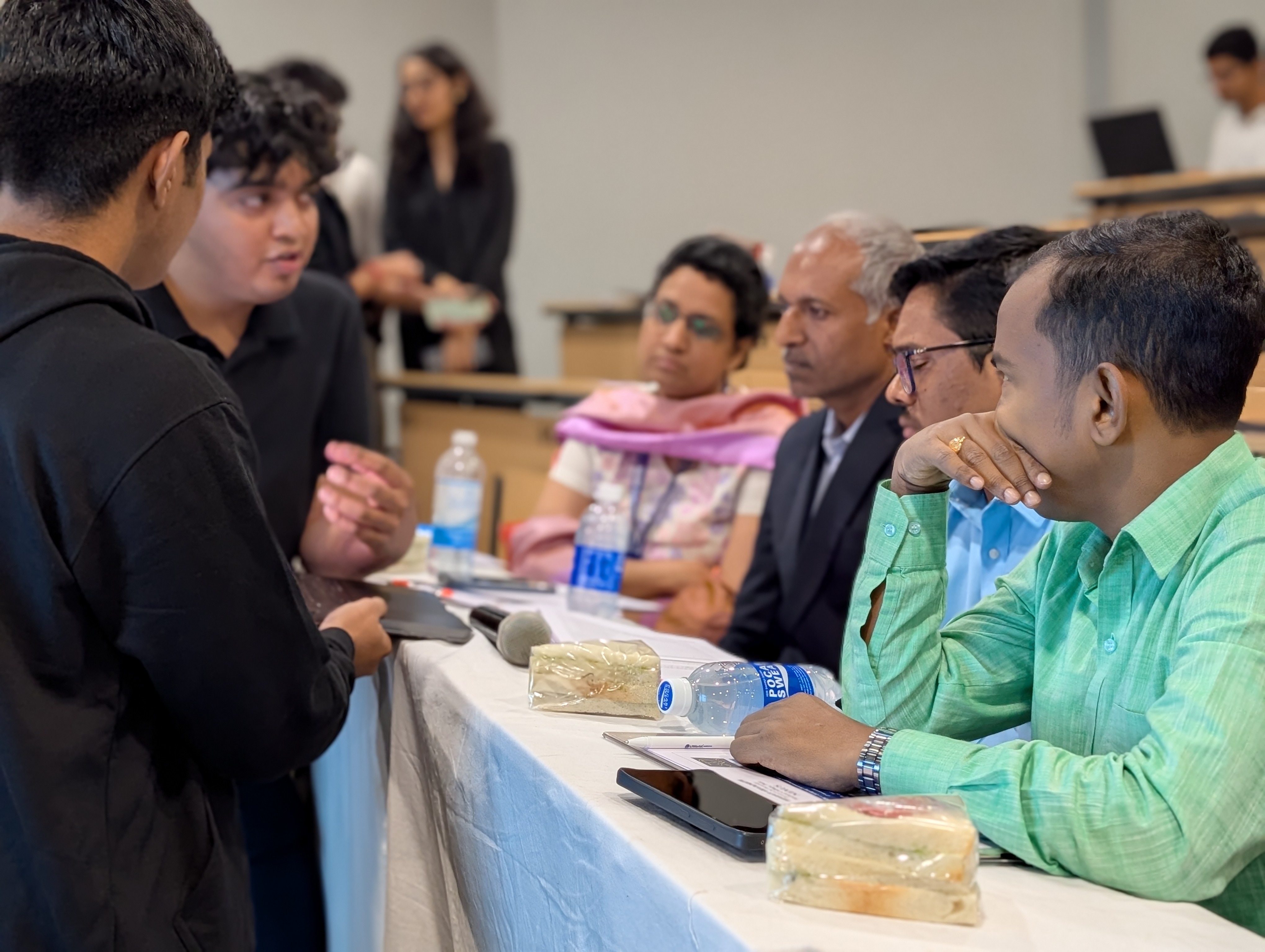
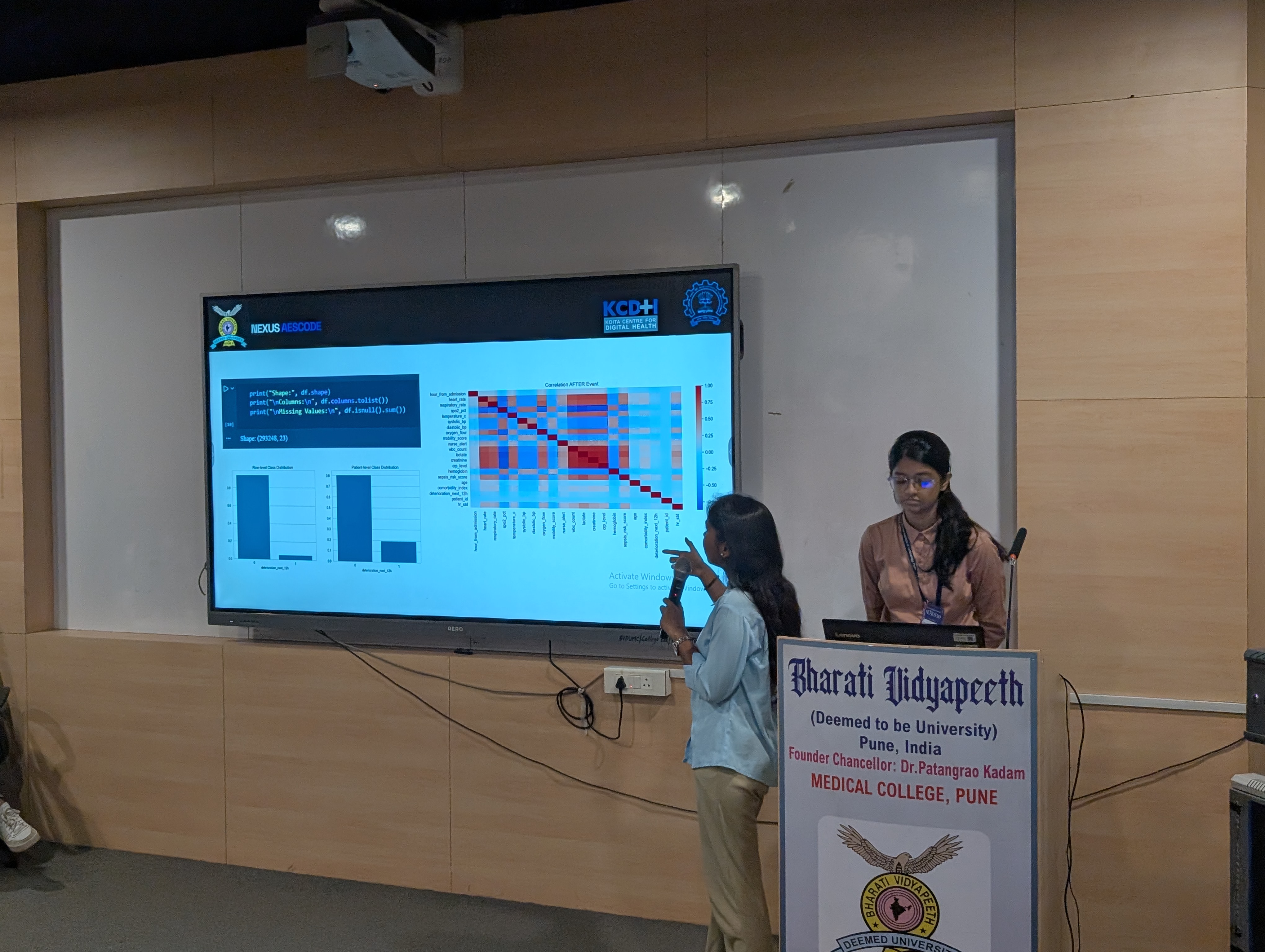
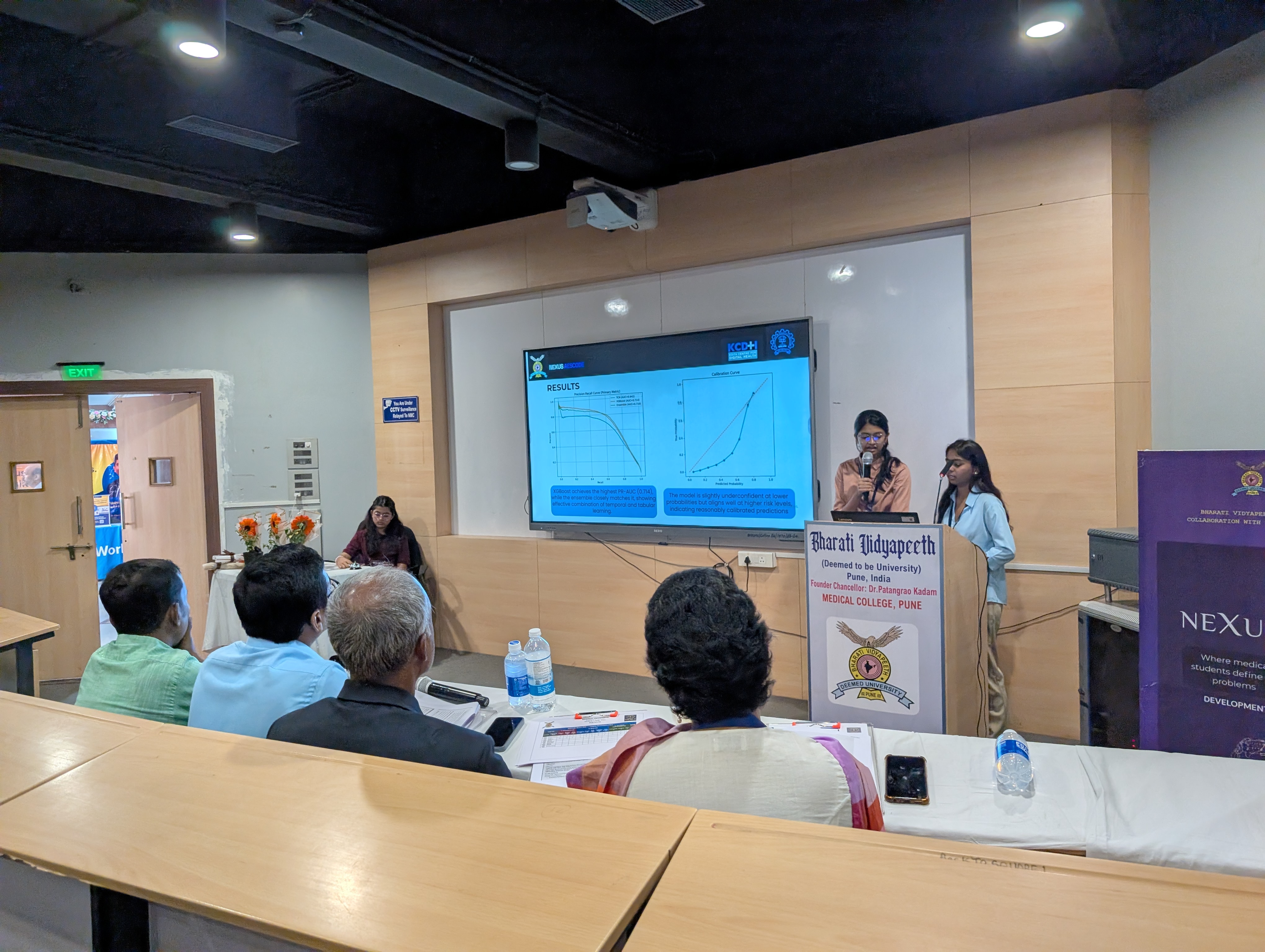
The final day was conducted in hybrid mode, with teams participating from across India. Finalists presented their research outcomes and prototypes to a panel of judges.
Felicitation & Closing
Presentation of awards to the top research teams. Recognition of outstanding problem formulation, research methodology, and deployment potential.
Prizes
₹1,00,000
Cohort 1 Grand Award
+ IMPLEMENTATION SUPPORT₹10,000
The Innovation Grant
×5 CATEGORY AWARDSCohort 1 Intelligence
What 250 Engineers Told Us.
Before any team competed, 250+ engineers from institutions across India submitted structured research abstracts — their analysis of real, unresolved clinical problems. The submission pool revealed five dominant clinical problem clusters, each independently confirmed by Bharati Hospital's clinical staff as a genuine operational gap.
The 250+ abstracts from Cohort 1 are not a participation metric. They are a dataset — structured evidence of how India's engineering graduates understand and frame clinical challenges.
Problems
DIABETIC CARE AI-Based Prediction of High-Risk Plantar Pressure Zones
Identifying high-pressure areas in diabetic patients to prevent ulceration through early biomechanical intervention.
PATIENT MONITORING AI-Based Early Warning System for Patient Physiological Deterioration
Detecting subtle patterns in vital signs that precede clinical decompensation in acute care settings.
BONE HEALTH AI-Based Osteoporosis Risk Screening from Routine X-Ray Radiographs
Analyzing opportunistic imaging data to screen for low bone density in asymptomatic populations.
REHABILITATION AI-Based Detection of Incorrect Exercise Form Using Human Pose Estimation
Providing real-time feedback on kinetic alignment to ensure safe and effective home-based physical therapy.
STROKE AI-Based Infarct Volume Estimation from Non-Contrast CT
Automating the precise measurement of ischemic core and penumbra to guide urgent thrombectomy decisions.
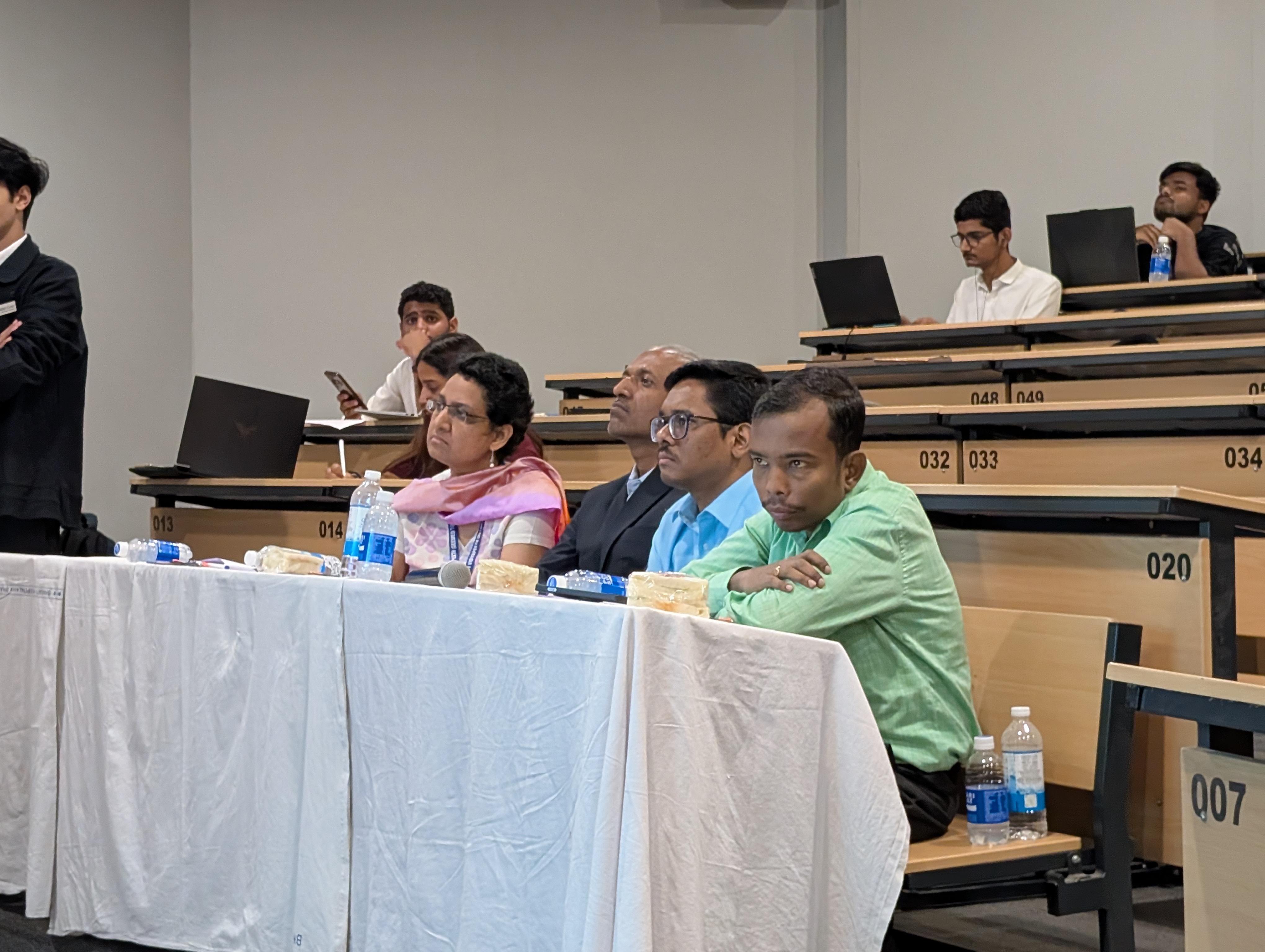
Evaluation Committee
The Cohort Judges.
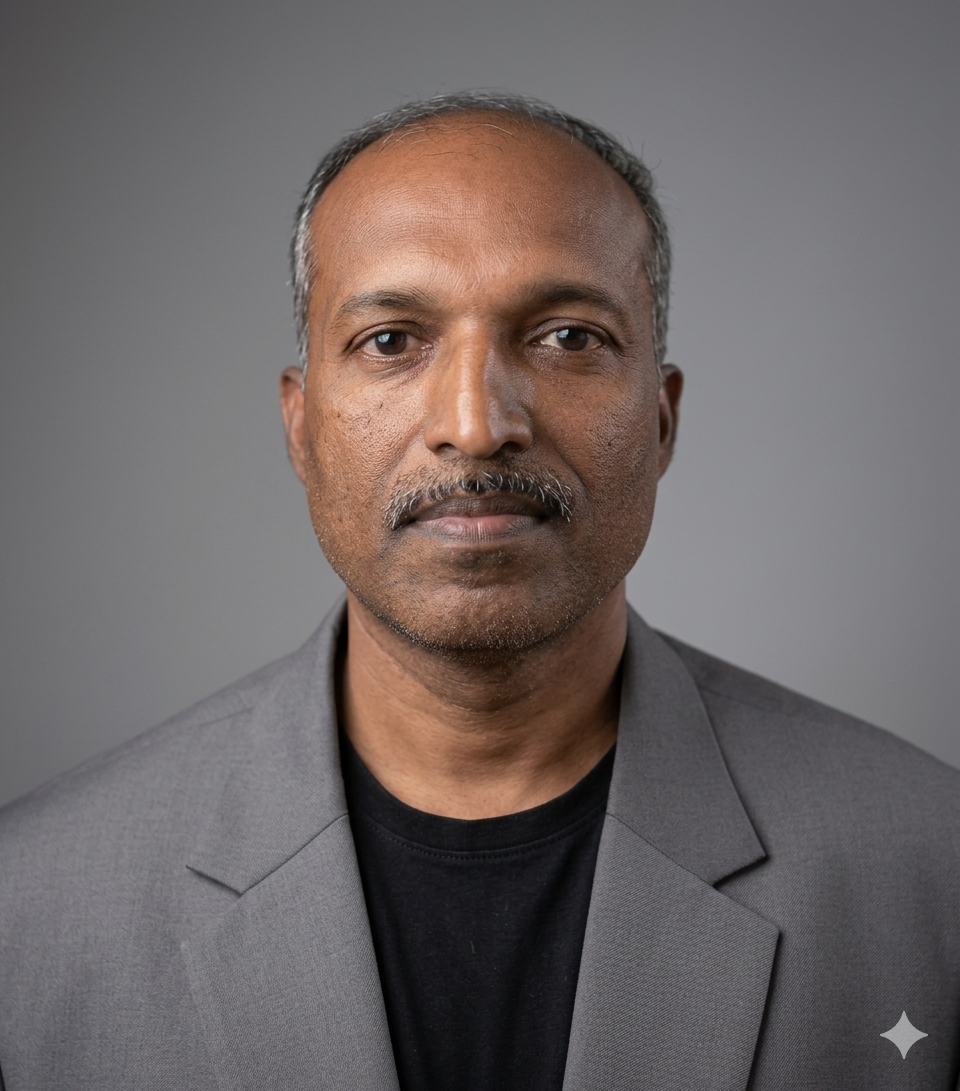
Dr. Dheeraj Dhane
SENIOR MEMBER, IEEE“A distinguished scholar in signal processing and computational systems, Dr. Dhane brings rigorous academic standards to the technical evaluation process.”
Dr. Dhane holds a Ph.D. from the prestigious IIT Kharagpur, and has over 15 years of teaching experience. He is a Senior Member of IEEE and serves as a Distinguished Reviewer for some of the most reputed journals in the field.
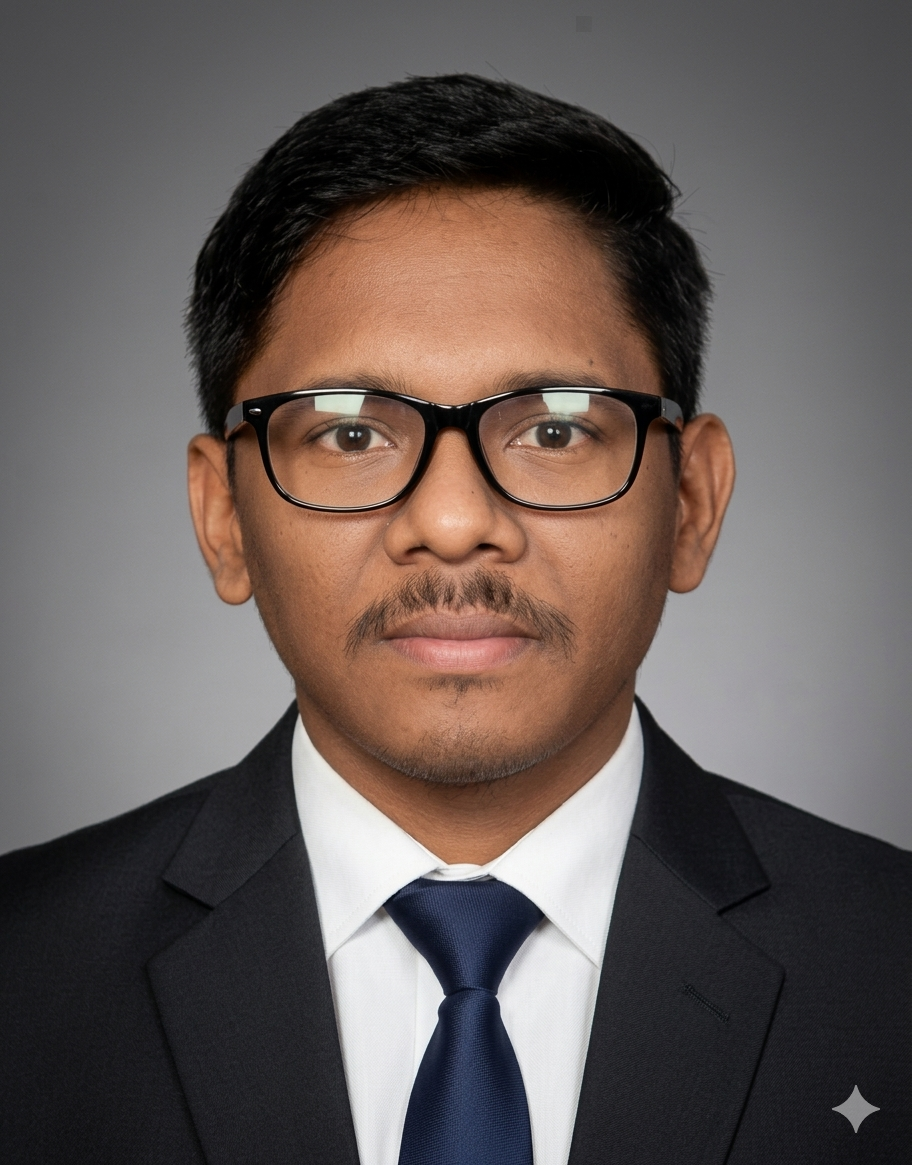
Mr. Bhavik Kanekar
SYSTEMS SPECIALIST, KCDH“Expert in large-scale data systems and clinical data hygiene, Bhavik Kanekar focuses on the scalability and structural integrity of healthcare informatics.”
Bhavik Kanekar holds a B.E. and MTech from Mumbai University and is currently pursuing a PhD at KCDH, IIT Bombay. His work focuses on computer vision and AI/ML in the healthcare domain.
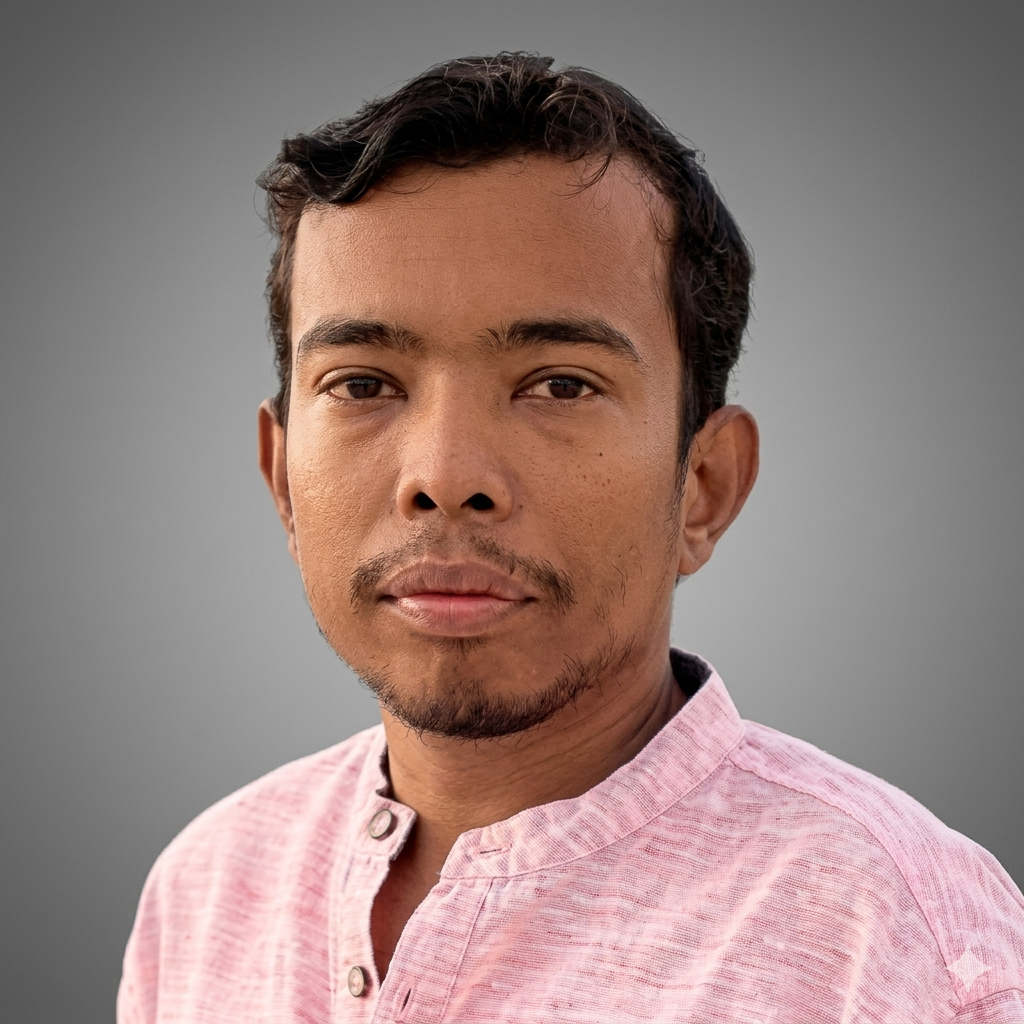
Mr. Buddhadev Goswami
SENIOR ENGINEER, KCDH“Focusing on the intersection of healthcare technology and rapid prototyping, Buddhadev Goswami ensures that digital solutions are both innovative and deployable.”
Buddhadev Goswami is a 4th-year Ph.D. scholar at KCDH, IIT Bombay. His research lies in computer vision, with emphasis on RGB image-based analysis for healthcare and medical imaging applications.
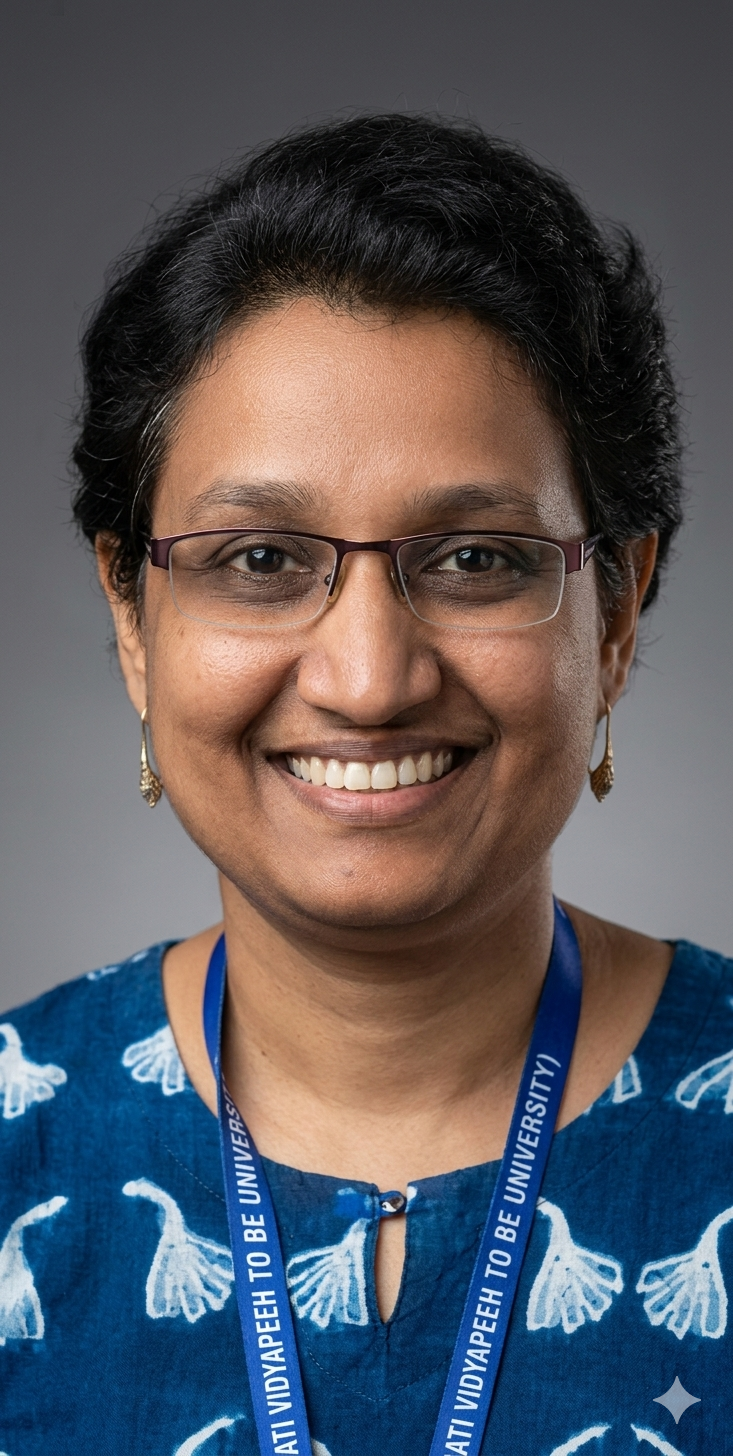
Dr. Dulari Gupta
NEUROLOGIST“As a leading neurologist, Dr. Gupta provides critical insight into the cognitive impact and neuro-ethical dimensions of human-computer interaction.”
Dr. Dulari Gupta is a well-known Neurologist associated with Deenanath Mangeshkar Hospital. She has 17 years of experience with specialties in Stroke Thrombolysis, Parkinson's Disease, and Epilepsy Surgeries.
Research Mentors
The Mentors.
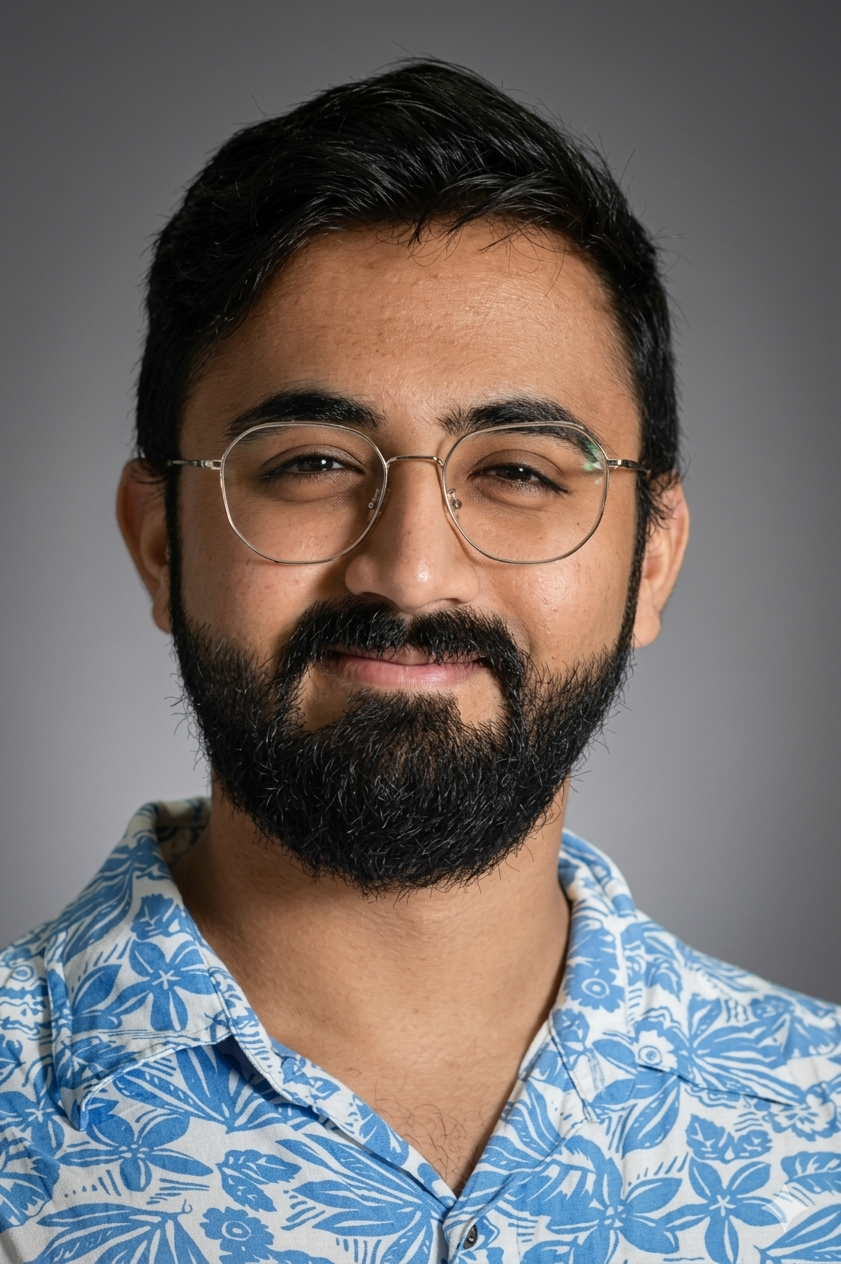
Mr. Viraj Gaur
IMAGE PROCESSINGMr. Viraj Gaur holds degrees from Queen's University Belfast and Eindhoven University. He currently works at the intersection of neurology and technology, specialising in image processing and deep learning.
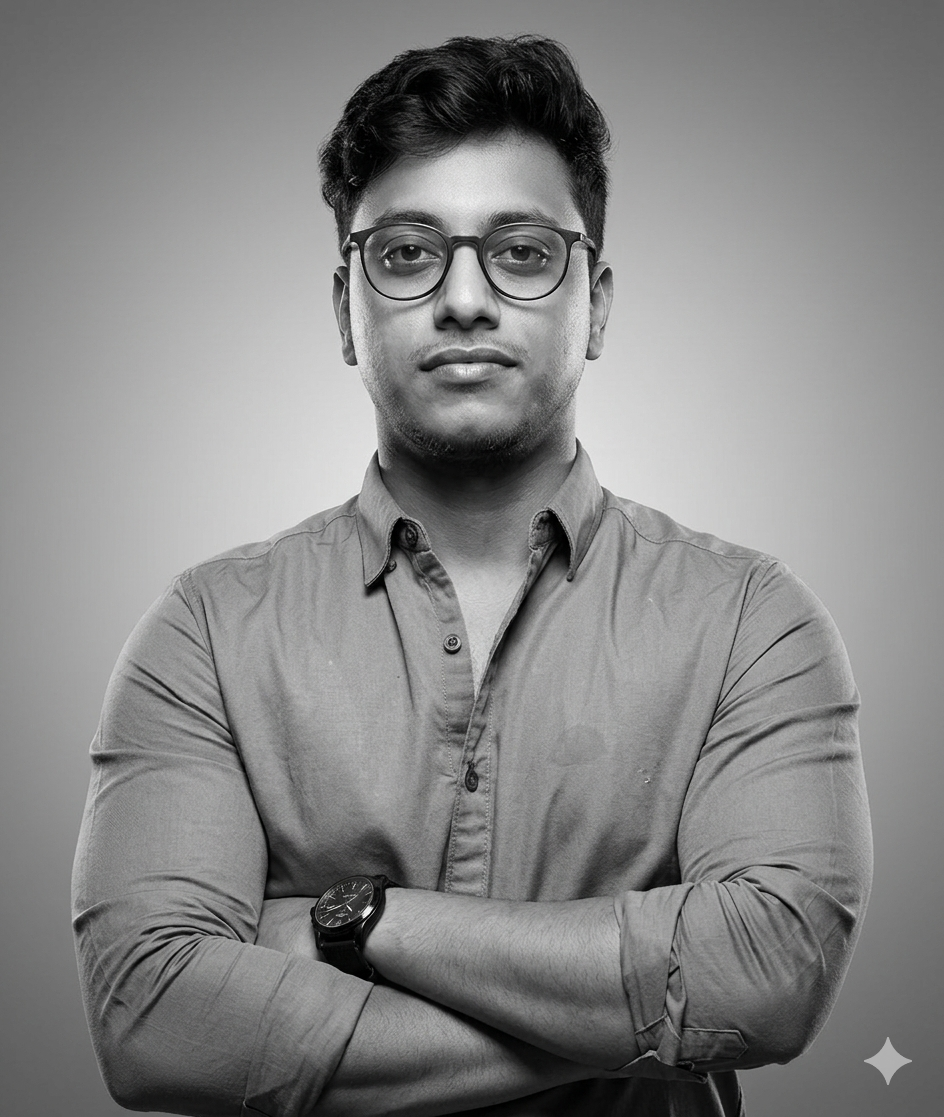
Dr. Subham Ghosh
WEARABLE SYSTEMSDr. Subham Ghosh brings together wearable electronics, advanced signal processing, and shallow deep-learning models optimized for edge computing in healthcare monitoring.
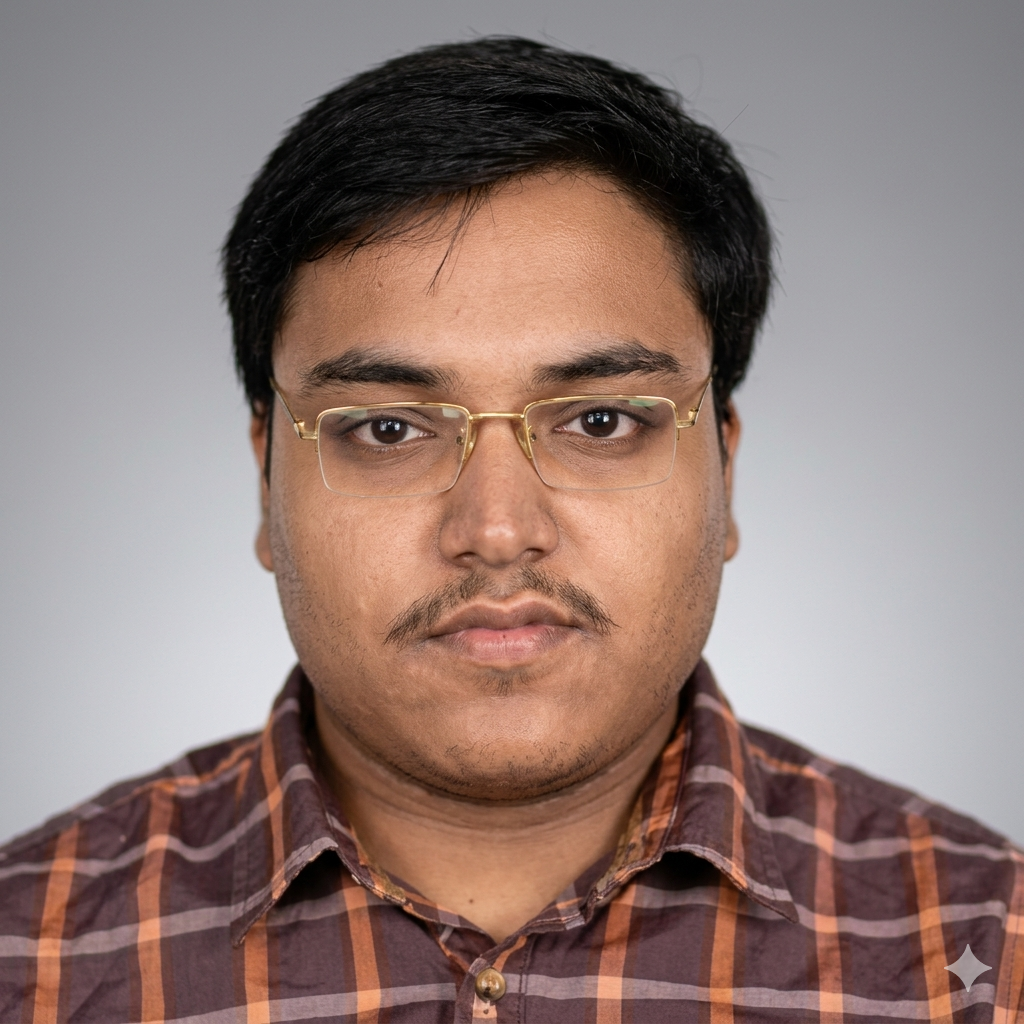
Mr. Shayantan Banerjee
TRANSLATIONAL RESEARCHMr. Shayantan Banerjee's research focuses on developing machine learning models using clinical data, with emphasis on interpretability and generalizability in medtech.
Cohort 1 Outcomes
Cohort 1 Outcomes.
Twenty finalist teams presented research frameworks and AI prototype architectures across five clinical domains. Top teams produced documented solutions for: plantar pressure mapping, early warning systems, opportunistic osteoporosis screening, pose-based rehabilitation feedback, and ischemic volume estimation from CT imaging.
Full winner documentation is being compiled for the Cohort 1 archive. For access or media inquiries, contact [email protected].
Cohort 1 Archive
The Event. Documented.